
 Natsumi
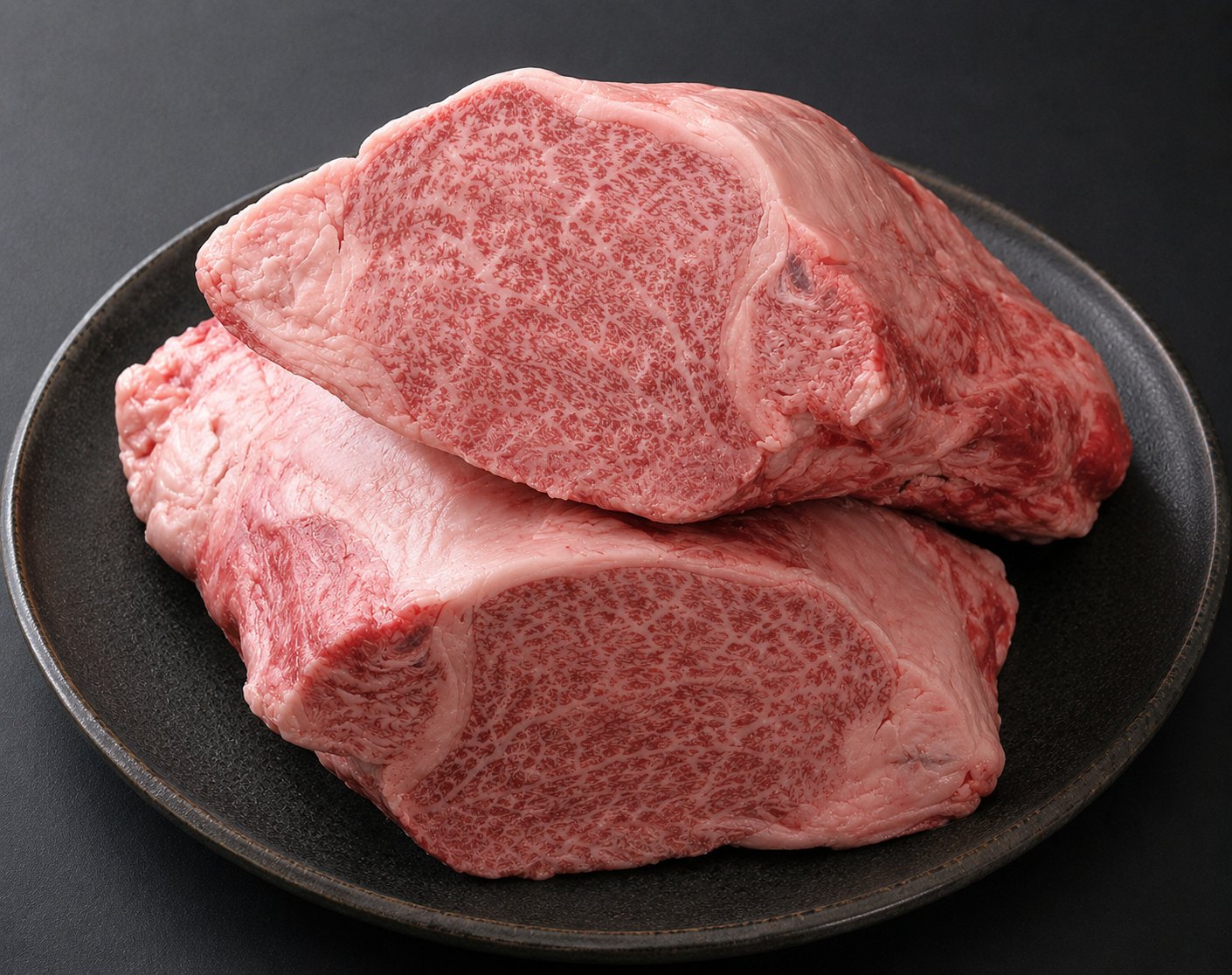
 Kobe beef is the name everyone knows. But in Japan, wagyu lovers also seek out Yonezawa beef and Yamagata beef. All three are Japanese Black wagyu, yet each brand has its own rules, region and character. Here is how they differ — and how to taste them together.
Kobe beef (Hyogo Prefecture)
Kobe beef comes from Tajima cattle, a bloodline raised in Hyogo Prefecture. To carry the name, the beef must meet strict criteria set by the Kobe Beef Marketing & Distribution Promotion Association, including a marbling score (BMS) of No.6 or higher and a gross carcass weight of 499.9 kg or less. It may come from heifers or steers.
Taste: delicate, fine marbling and an elegant, melting finish. The most famous name in wagyu.
Yonezawa beef (Yamagata Prefecture)
Yonezawa beef is raised in the Okitama region around Yonezawa City and is counted among Japan’s three great wagyu brands. It is registered under Japan’s Geographical Indication (GI) system, which requires unbred Japanese Black heifers that are at least 33 months old at shipment. Only about 3,000 head are certified as Yonezawa beef each year (3,025 in 2023, according to Yonezawa City Council materials). Japan processes over 500,000 wagyu cattle a year (MAFF, FY2023), so fewer than 1 in 150 becomes Yonezawa beef.
Taste: rich, sweet fat and deep flavor, shaped by long, snowy winters and a long raising period.
Yamagata beef (Yamagata Prefecture)
Yamagata beef is Japanese Black wagyu raised in Yamagata Prefecture, known for clean water, cold winters and big temperature swings between day and night.
Taste: savory, beefy depth with a clean finish — a perfect first steak in a tasting.
At a glance
- Kobe beef — Hyogo · Tajima lineage · heifers or steers · BMS No.6+
- Yonezawa beef — Yamagata (Okitama region) · unbred heifers only · 33 months+
- Yamagata beef — Yamagata Prefecture · Japanese Black wagyu
How to taste them side by side
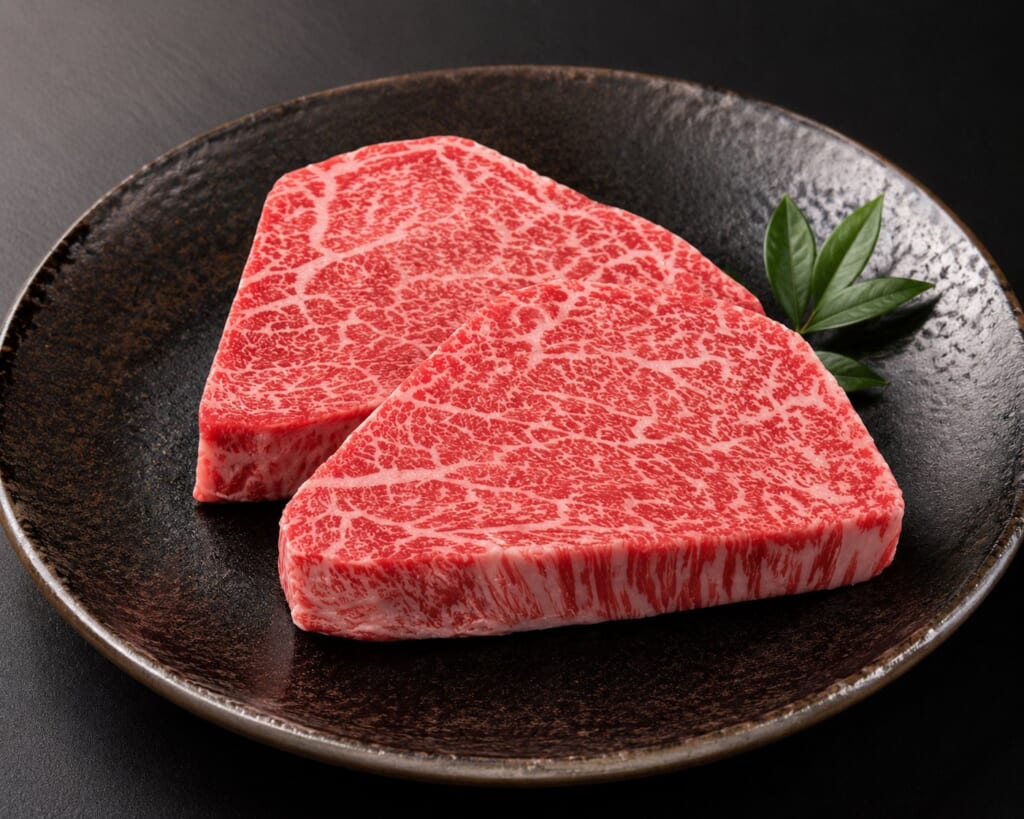
The best way to understand wagyu is to compare. Order two or three cuts, start with the lightest, and share them at the table. Notice how the fat melts, how sweet it tastes, and how long the flavor lingers.
At Wagyu teppanyaki steak house Nishiki 雅 MIYABI in Kyoto’s Nishiki Market, all three brands are on the menu — and every steak is A5-graded heifer wagyu, the Queen of Wagyu. Kobe beef is available at every Arc restaurant, including 創 SOU and 舞 MAI.
Why we offer all three
At Arc, we believe the true joy of Japanese food culture lies in its regions — the land, the producers and the time they invest. Serving Kobe, Yonezawa and Yamagata beef together lets travelers experience that diversity in a single meal, honestly and side by side.